

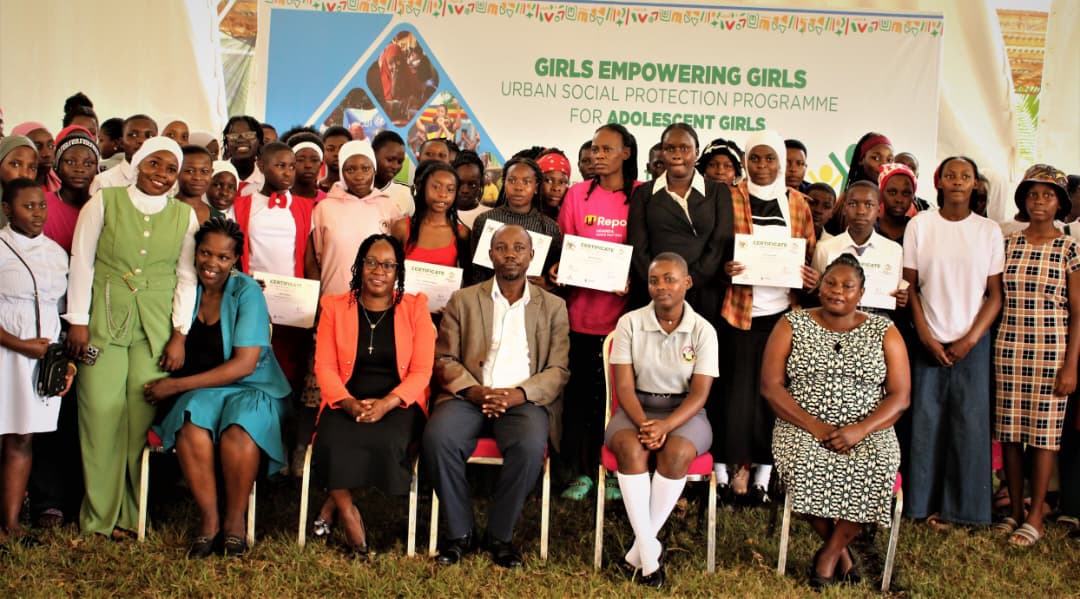
Residents in Kampala have praised the impact of the Girls Empowering Girls (GEG) initiative, describing it as a transformative programme that has kept vulnerable girls in school while improving household incomes.
Implemented by Kampala Capital City Authority (KCCA) with support from UNICEF and the Government of Belgium, the programme was launched in 2019 targeting adolescent girls both in and out of school, particularly those from high-dropout areas and households facing multidimensional poverty.
Asha Naigaga, a resident of Kibuli Market B Zone in Makindye Division and a mother of two beneficiaries, said the initiative eased the financial strain that once threatened her children’s education.
“I have gained from it because my children were suffering and I struggled with school fees. When the programme started, my first child was in Primary Six and is now in Senior Three. The second joined Senior One after completing Primary Seven. They are studying well in a government school,” she said.
Under the programme, parents and caregivers receive financial literacy training alongside monthly stipends to support basic household needs.
Naigaga said she used the support to start small businesses, improving her family’s livelihood. “I saved the small money I received, started making ice cream for children, and later expanded into selling clothes. I even travel to Busia to buy stock,” she explained.
Despite the progress, she expressed concern about the programme ending. “I’m worried about it ending. I hope it can continue to support these children up to Senior Four,” she said.
According to Diana Kamwada, a peer mentor, the initiative has been instrumental in supporting girls through the critical transition from primary to secondary education.
“The research we conducted shows that girls at this stage are highly vulnerable. Through mentorship, we equip them with life skills, knowledge of their rights, and financial literacy,” Kamwada said.
She added that the programme creates safe spaces where girls can openly discuss challenges, while group sessions help address issues affecting their daily lives.
Kamwada noted that stipends also help meet essential needs such as sanitary products, which are often a barrier to consistent school attendance.
“These girls are now empowered to speak up, report abuse, and take charge of their lives,” she said.
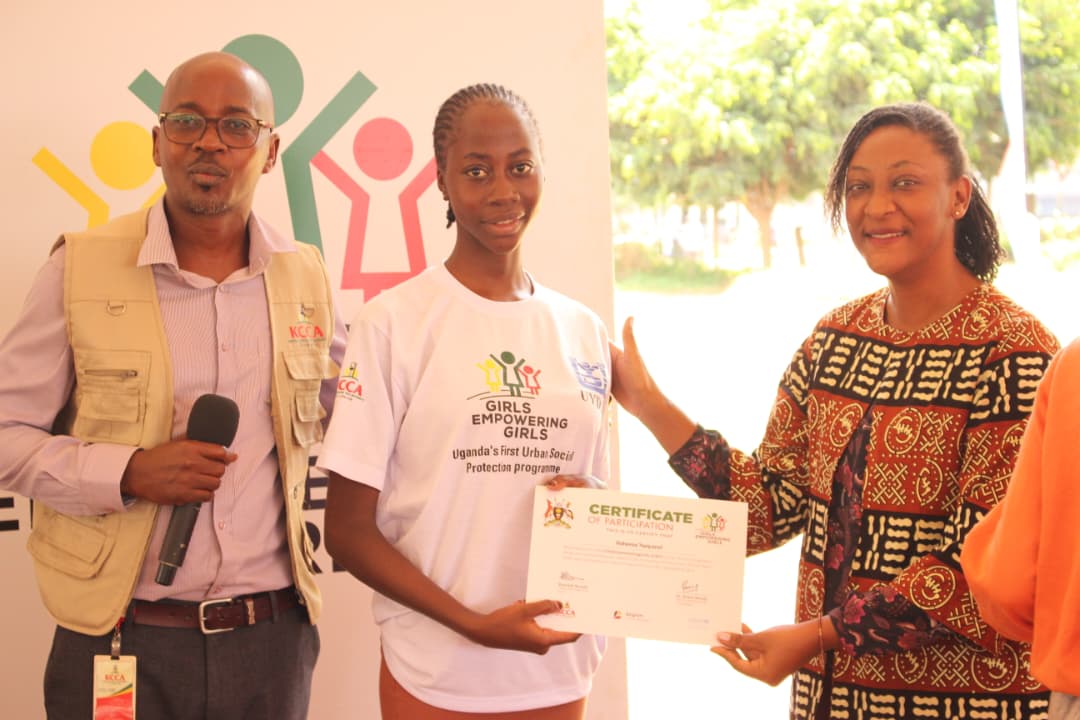
Officials say the programme was designed to tackle both economic and social barriers to education.
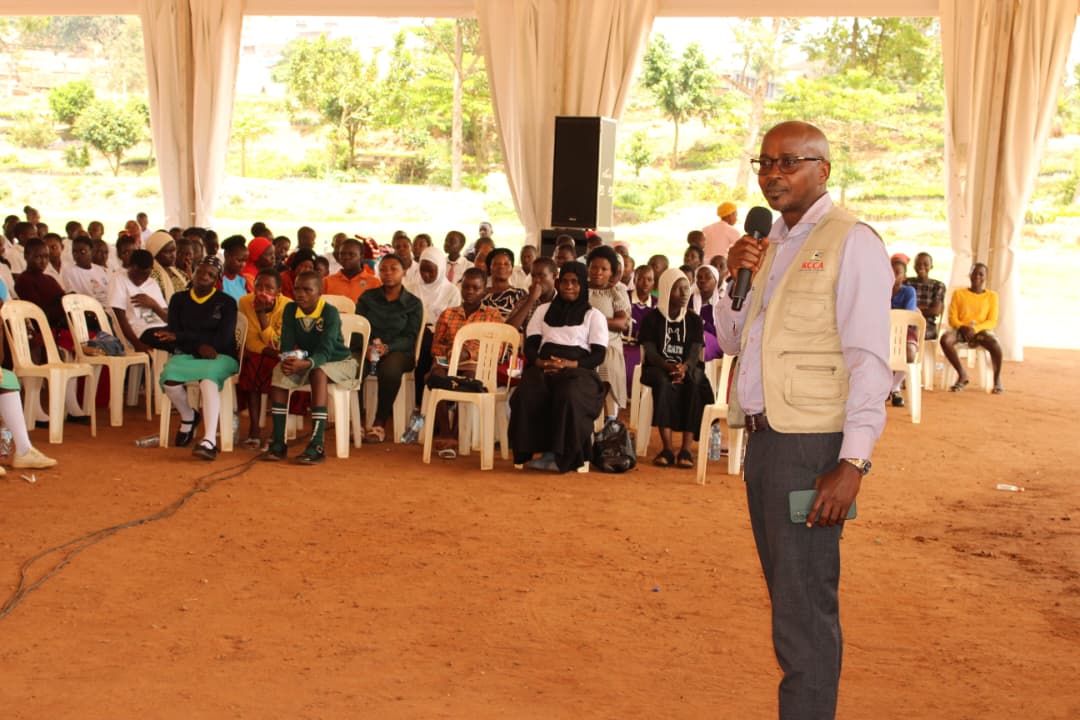
Daniel Kaseregenyi, Deputy Director for Gender, Welfare and Community Services at KCCA, said the initiative focuses on girls in upper primary to ensure a smooth transition to secondary school.
“The programme supports both in-school and out-of-school girls. Those who had dropped out are traced and returned to school where possible, while others are supported to start small businesses after mentorship,” he said.
He added that addressing basic needs has significantly reduced dropout rates. “Sometimes school dropout is caused by very small issues. When addressed early, more girls stay in school and complete Primary Seven,” he noted.
KCCA says the initiative has so far supported more than 4,000 girls across all five divisions of Kampala, with participating schools reporting a noticeable decline in dropout rates.
Speaking at the closing ceremony, Vice President Jessica Alupo urged beneficiaries to sustain the gains made.
“These girls must remain committed to their education and use the skills they have acquired to transform their lives and communities. They should become ambassadors of change,” she said.
KCCA Executive Director Sharifah Buzeki described the initiative as one of the authority’s most impactful social programmes.
“This has been a truly transformative intervention across all five divisions of Kampala,” she said.
Buzeki revealed that more than 800 girls had been re-enrolled into school, over 211 completed vocational training, and at least 35 have started their own businesses.
“The programme has restored dignity. Empowering girls requires a multidimensional approach—education, social protection, and economic empowerment must work together,” she said.
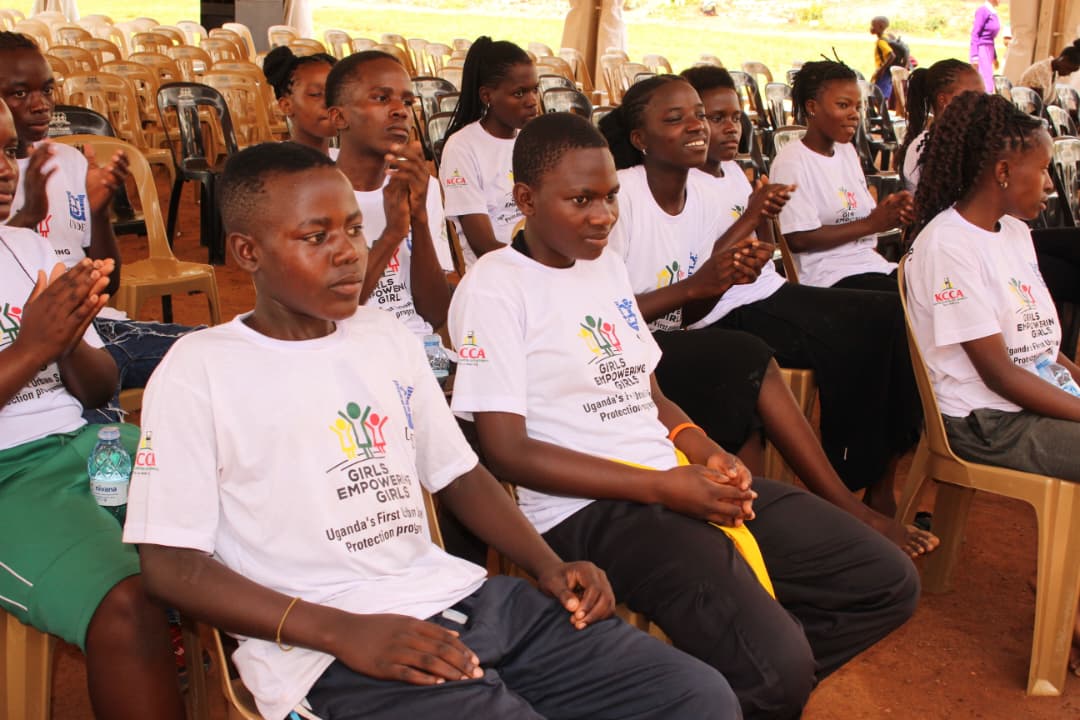
Belgium’s Ambassador to Uganda, Hugues Chantry, said the programme’s closure should be viewed as a milestone rather than an end.
“Gender equality and the empowerment of girls are essential for social cohesion and development,” he said, reaffirming Belgium’s continued support for similar initiatives.
UNICEF Representative to Uganda, Dr. Robin Nandy, highlighted the programme’s inclusive approach.
“We are proud of what has been achieved with KCCA and government. The programme prioritised out-of-school girls, teenage mothers, and refugees—those often left behind,” he said.
